10 July 2026 • NEWS
Local solutions on the ground to protect forests and biodiversity
Discover the latest field initiatives aimed at protecting forests, biodiversity and local communities.
Discover the latest field initiatives aimed at protecting forests, biodiversity and local communities.
Sustainable agriculture, forest restoration and youth awareness-raising: in several countries where it operates, Planète Urgence supports locally led solutions developed with communities to protect ecosystems.
Protecting forests and biodiversity is not only about preserving natural areas. It also means supporting the people who live in direct contact with these ecosystems, strengthening local practices and promoting solutions tailored to the realities of each region.
In recent weeks, several initiatives carried out with Planète Urgence’s partners have illustrated this approach: working alongside communities to build sustainable responses to the pressures affecting forests, agricultural land and wetlands.
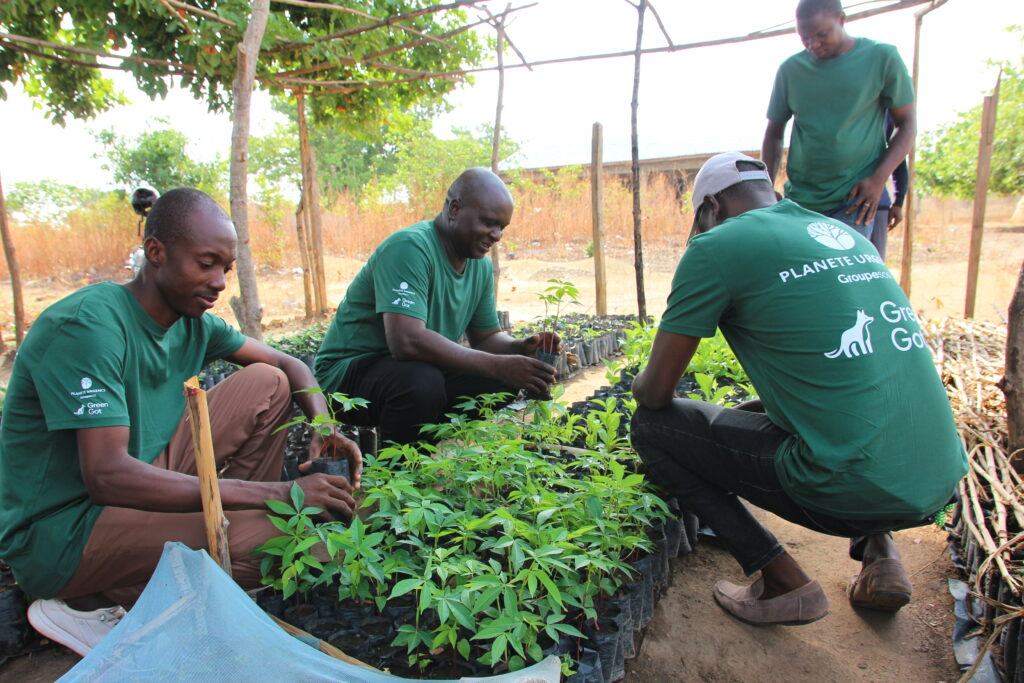
In Benin, the GAPADOU project is helping to strengthen forest restoration with the support of local stakeholders. Planète Urgence has signed agreements with 25 nursery growers to produce 250,000 seedlings, which will be used to protect six forests, restore degraded areas and develop agroforestry plantations.
At the same time, nursery growers in the municipality of Bassila received capacity-building support on seed collection and seedling production, in collaboration with the Water, Forestry and Hunting Services. This stage helps to consolidate local expertise and create better conditions for future restoration activities.
This initiative is also part of a broader effort to protect biodiversity. In the sacred forest of Kikélé, Planète Urgence Benin took part in an awareness-raising day alongside local authorities, government representatives and environmental organisations. This mobilisation is helping to strengthen the partnerships needed to ensure the success of the campaign to plant 250,000 trees in Benin.
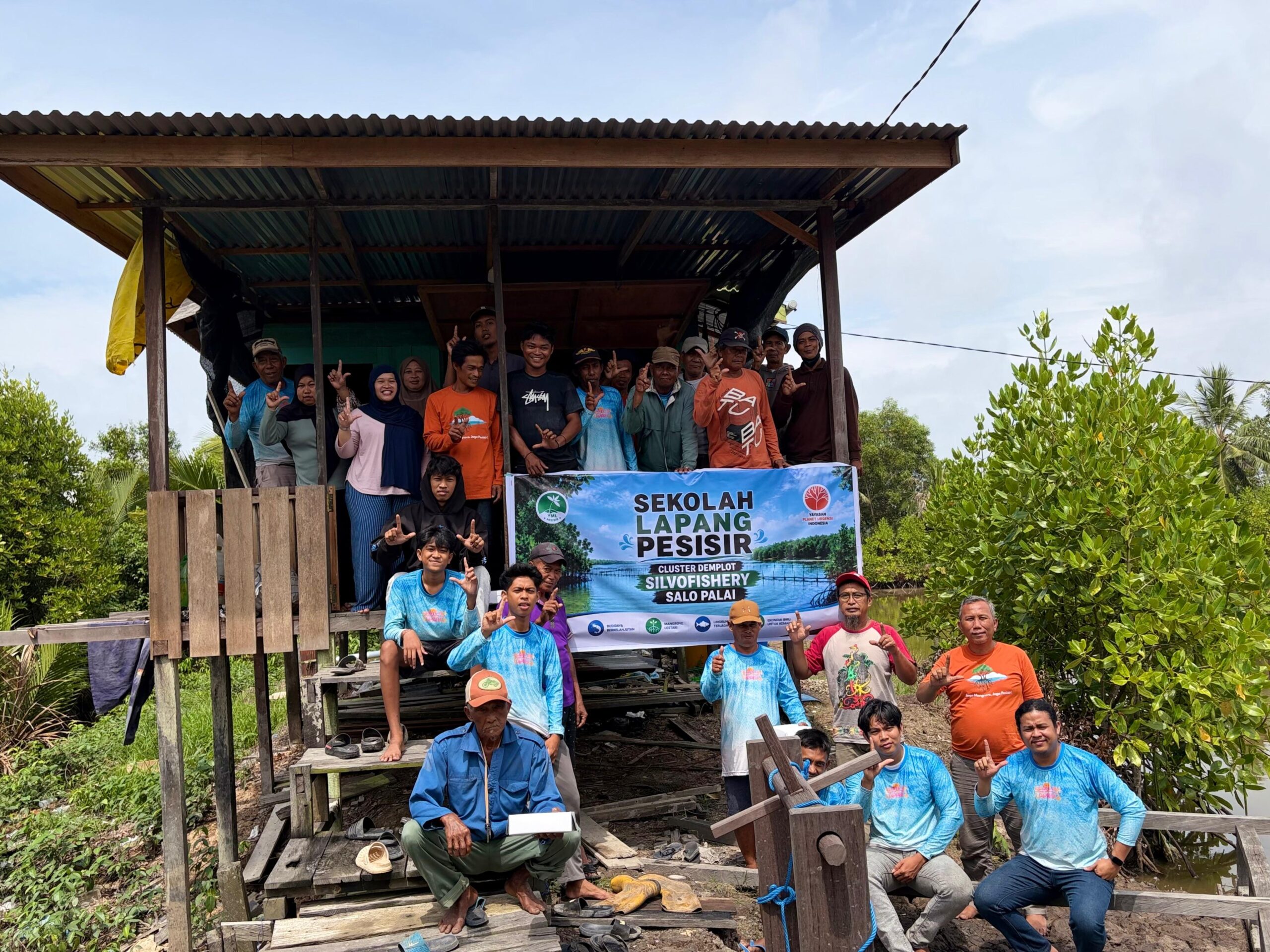
In Indonesia, the MAHAKAM project continues to support coastal communities in adopting more sustainable aquaculture practices. In the villages of Babulu Laut and Salo Palai, a new training session brought together fish farmers to strengthen their technical skills, particularly in water-quality management and pond preparation ahead of the production cycle.
Through practical exercises, participants used monitoring equipment to measure several essential parameters, including pH, salinity, dissolved oxygen and temperature. This data enables fish farmers to improve the day-to-day management of their ponds while reinforcing the principles of silvo-aquaculture, an approach that combines aquaculture production with the conservation of mangrove ecosystems.
The session brought together 34 fish farmers from two coastal villages, with support from two local partners. It demonstrates the importance of capacity building in promoting more sustainable economic practices adapted to the realities of local communities and the need to protect coastal ecosystems.
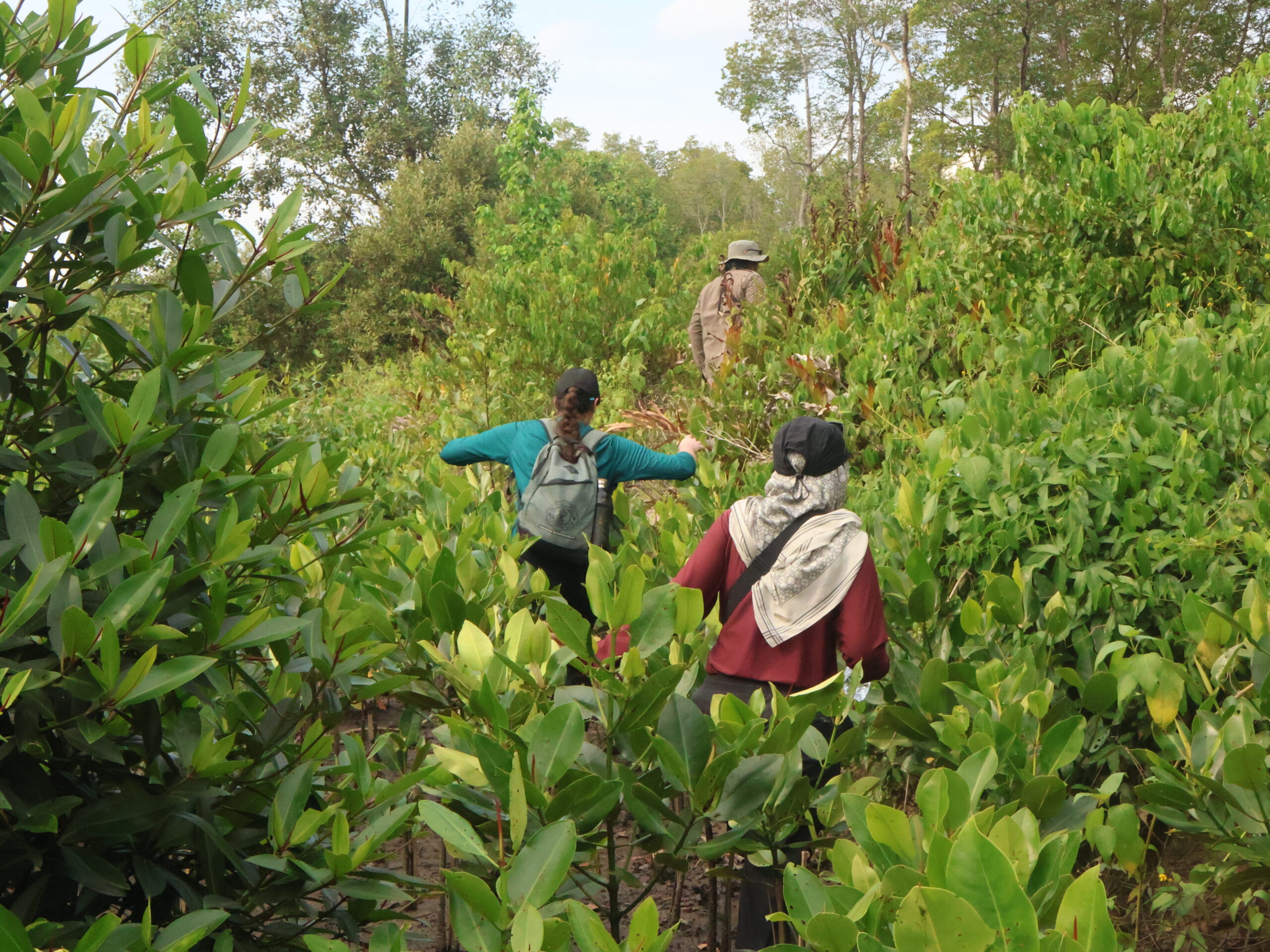
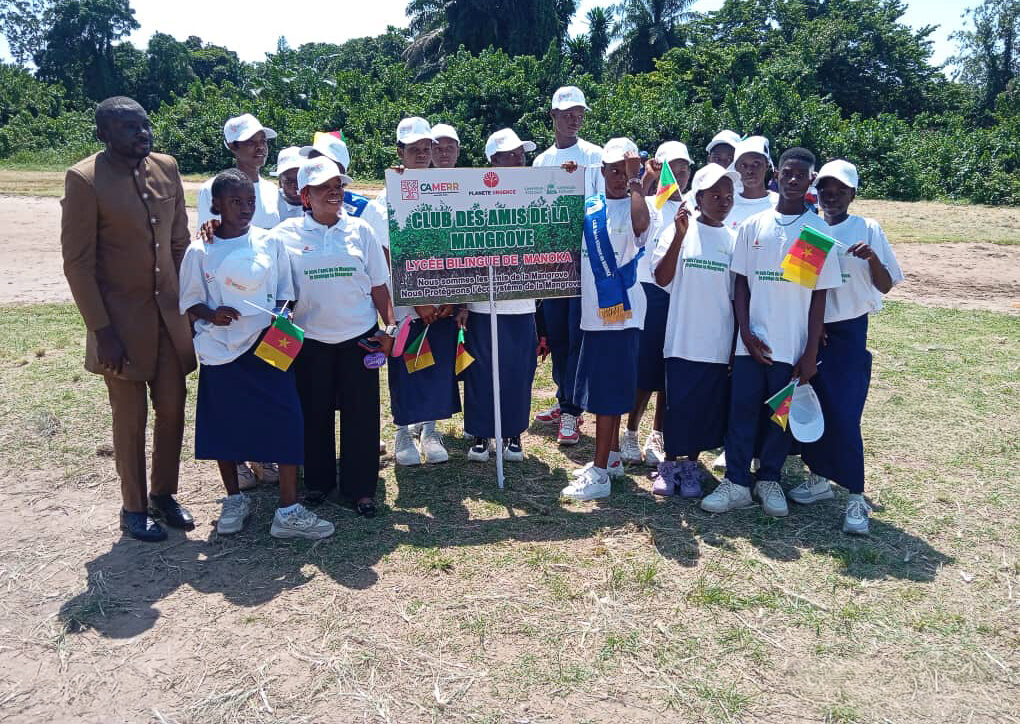
In Cameroon, the CAMERR project also uses awareness-raising activities to strengthen mangrove protection. In Mouanko, Manoka and Dibombari, Planète Urgence and its partners CAM-ECO, CWCS and WTG created three “Les Amis de la Mangrove (Friends of the Mangrove)” clubs to raise young people’s awareness of the need to protect and conserve these ecosystems.
Club members took part in celebrations for Cameroon’s Youth Day and National Day, sharing awareness messages through signs and sketches. In total, 66 pupils participated, and more than 2,500 people were reached during these public events.
This initiative highlights the importance of environmental education in nurturing a new generation of conservation ambassadors.
In Madagascar, the TAPIA 2 project continues its work to conserve tapia forests in the Itasy region. Its aim is to strengthen the involvement of local communities in the sustainable and participatory management of two Community Protected Areas.
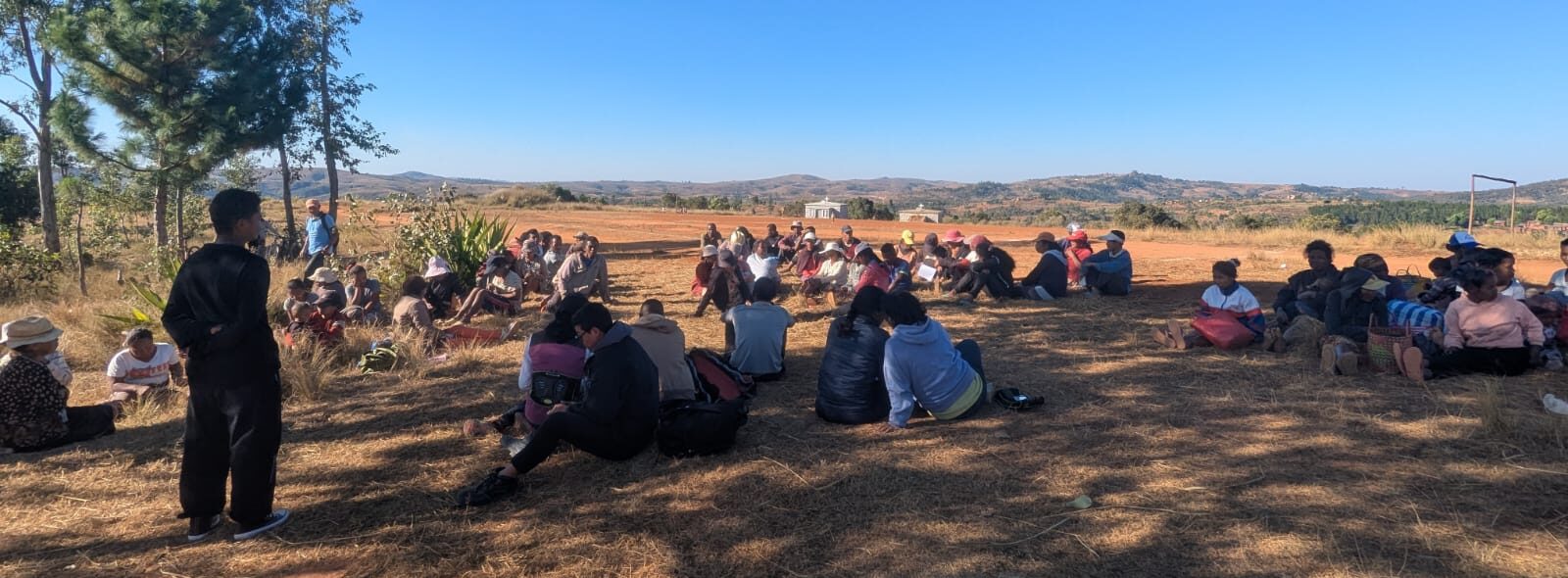
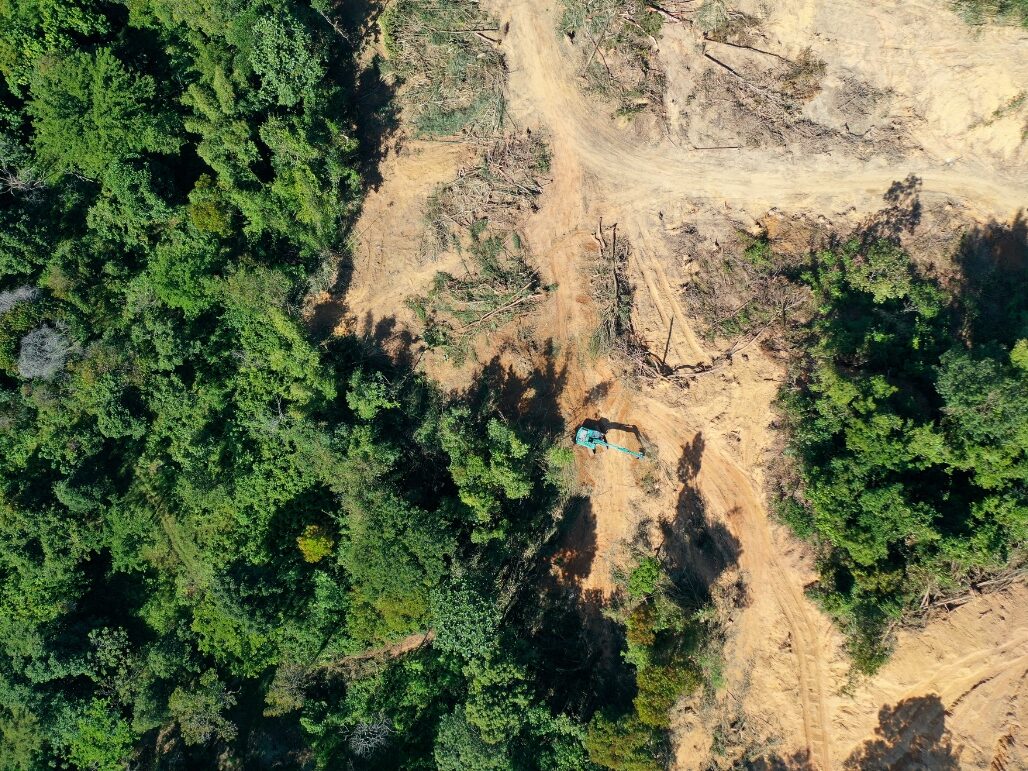
A meeting with members of the Joint Design Body was held in Miarinarivo to present the legal framework governing the new protected areas, their boundaries and the challenges surrounding their protection. The discussions also provided an opportunity to review the main pressures threatening these ecosystems: illegal logging, bushfires, mining activities and invasive alien species.
The project supports 29 VOIs, grassroots local communities involved in managing natural resources, and contributes to the conservation of 3,083 hectares of tapia forest.
In the Anlong Pring Protected Landscape in Kampot Province, the sarus crane’s habitat is being threatened by agricultural pollution. Chemical fertilisers and pesticides used in surrounding rural areas can seep into the wetlands, which are essential to this species and to the balance of local biodiversity.
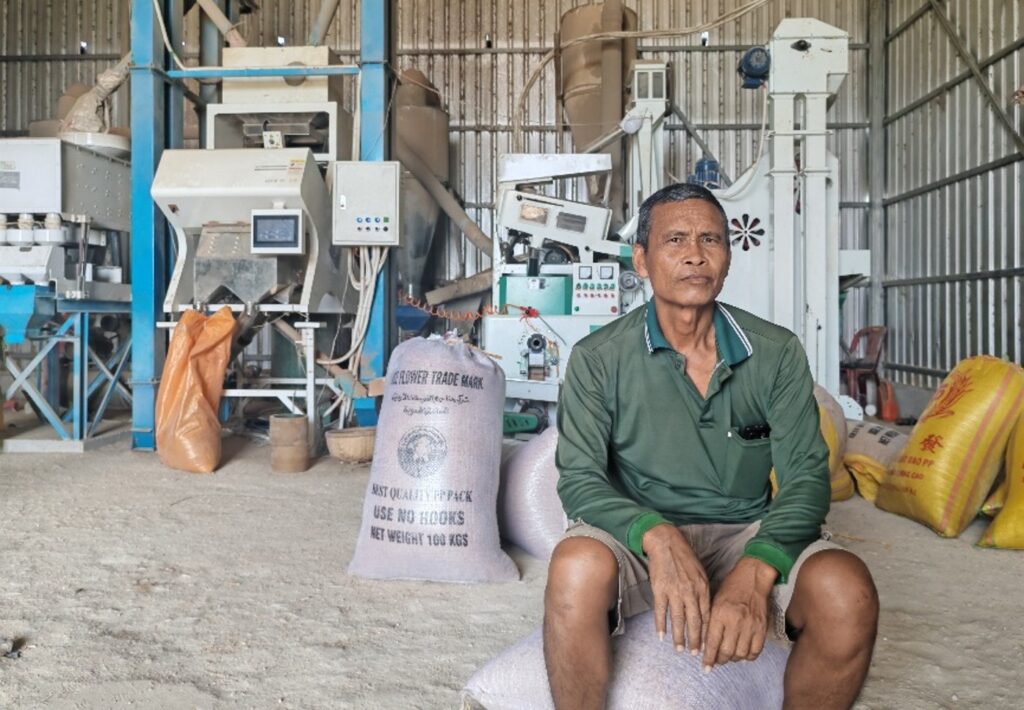
In response to this challenge, the Cambodian Rural Development Team, a partner of Planète Urgence, launched a sustainable rice project centred on the cultivation of red jasmine rice. This local variety is better suited to saline soils and less dependent on chemical inputs, helping to reduce pressure on the environment while improving farm profitability.
The project currently supports 197 families, organised into 10 producer groups, across 119 hectares of cultivated land. The initial results are encouraging: pesticide use has fallen by 25%, chemical fertiliser use by 15%, while rice yields have increased by 20% and farming income by 18%.
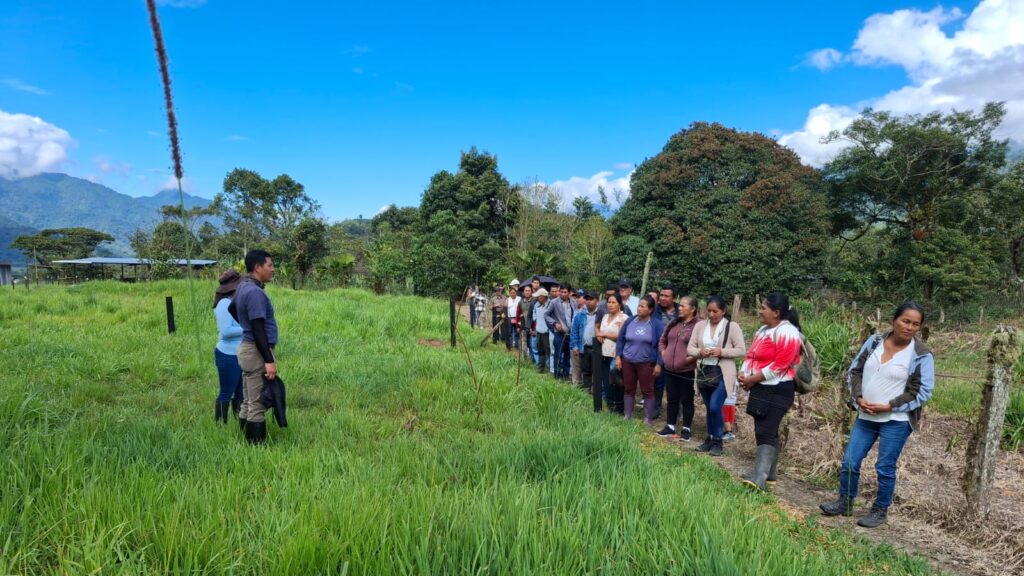
In the Ecuadorian Amazon, an exchange day held in El Chaco brought together 33 livestock farmers as part of a pasture restoration project led by the Jocotoco Foundation, a partner of Planète Urgence.
Participants visited three cattle farms showcasing innovative practices, including rotational grazing, genetic improvement of livestock and the reuse of livestock waste. The afternoon was also devoted to visiting El Chaco’s municipal bamboo plantation, where more than 16 bamboo species were observed.
The event encouraged producers to share their experiences while demonstrating the role that certain agricultural practices can play in ecological restoration and the protection of water resources.
From sustainable rice production in Cambodia to Cameroon’s mangroves, from Madagascar’s tapia forests to Benin’s tree nurseries, these initiatives reflect a strong conviction: ecosystems can only be protected sustainably when solutions are developed with local communities.
By supporting local stakeholders, Planète Urgence helps to develop practical solutions that are tailored to each region and create a positive impact for people and biodiversity.