22 June 2026 • NEWS
In the Mahakam Delta, restoring mangroves with local communities
What if the restoration of mangroves first involved those who live alongside them? In Indonesia, the MAHAKAM project focuses on a local and sustainable approach.
What if the restoration of mangroves first involved those who live alongside them? In Indonesia, the MAHAKAM project focuses on a local and sustainable approach.
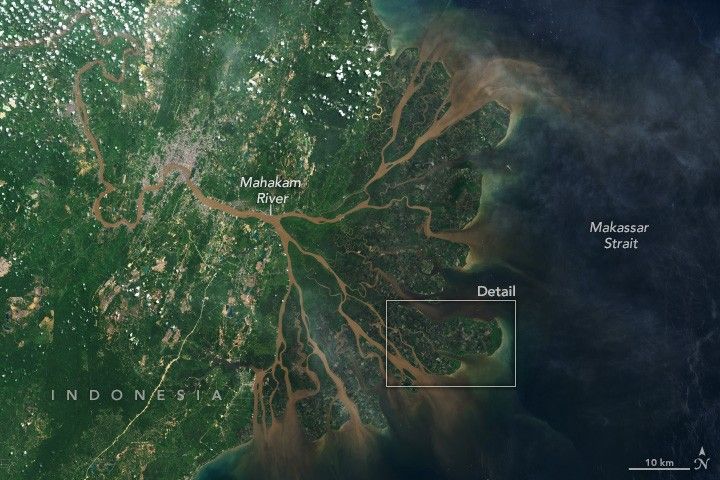
In East Kalimantan, Indonesia, the MAHAKAM project works to restore heavily degraded mangrove ecosystems while supporting the coastal communities that depend on them. Through ecological restoration, scientific monitoring, awareness-raising, and the strengthening of local practices, the project illustrates a comprehensive approach to coastal protection.
Implemented by Yayasan Planet Urgensi Indonesia (YPUI), the legal entity of Planète Urgence’s Indonesian national delegation, together with local partners, the MAHAKAM project operates in East Kalimantan, particularly in the Mahakam Delta, Teluk Adang and Babulu Laut areas. Its objective is twofold: to contribute to the restoration of degraded mangroves and to strengthen the resilience of coastal communities in the face of climate change. The challenge is significant. Indonesia is home to around a quarter of the world’s mangroves, ecosystems that are essential for biodiversity, coastal protection and carbon storage.
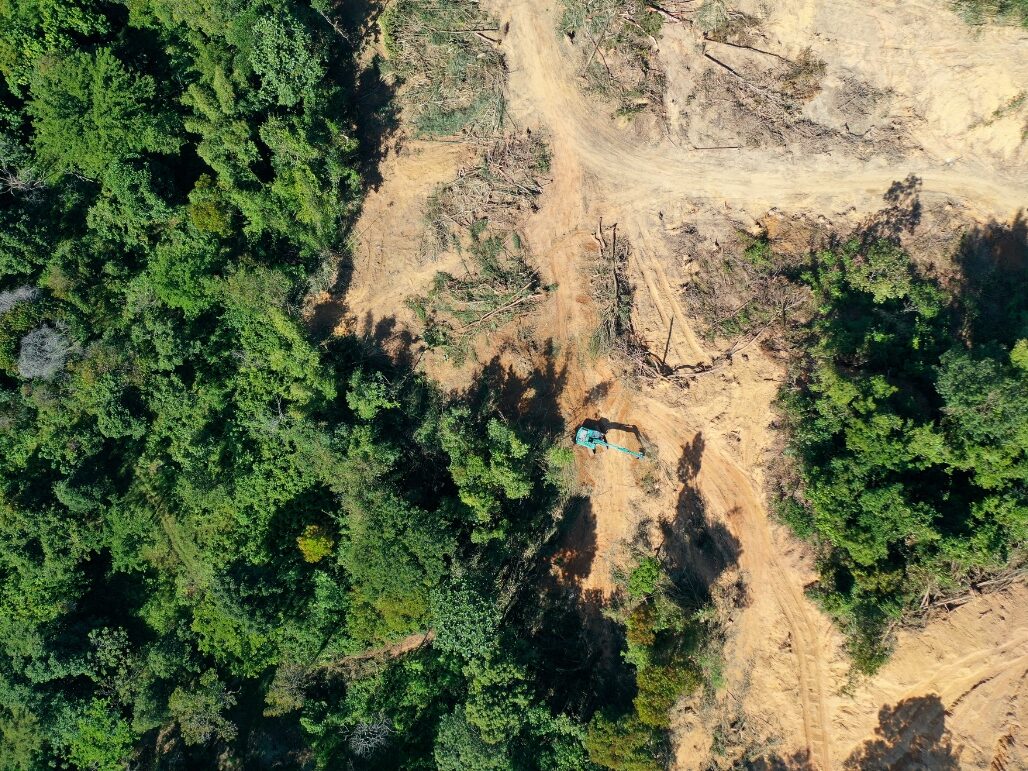
In the Mahakam Delta and Teluk Adang, nearly 70% of mangrove ecosystems have been degraded, mainly due to the unsustainable development of aquaculture ponds used for fish and shrimp farming. This degradation also weakens local populations, many of whom depend on fishing and coastal resources for their livelihoods.
Since 2022, the MAHAKAM project has carried out restoration activities across several sites, working closely with local partners and community groups. Hundreds of thousands of mangrove trees have been planted, using different species adapted to the local environments, including Rhizophora, Avicennia, Sonneratia, Bruguiera and Ceriops.
To strengthen the effectiveness of its actions, the programme does not stop at planting. It also relies on biodiversity observation and monitoring to better understand how restored environments evolve and which species use them.
In June and July 2025, a biodiversity study was conducted around the mangrove restoration areas of Sebuntal village, in Marangkayu district, as well as in the new intervention area of Salo Palai, in Muara Badak. The aim was to collect baseline data and monitor the presence of wildlife around existing sites and future restoration areas.
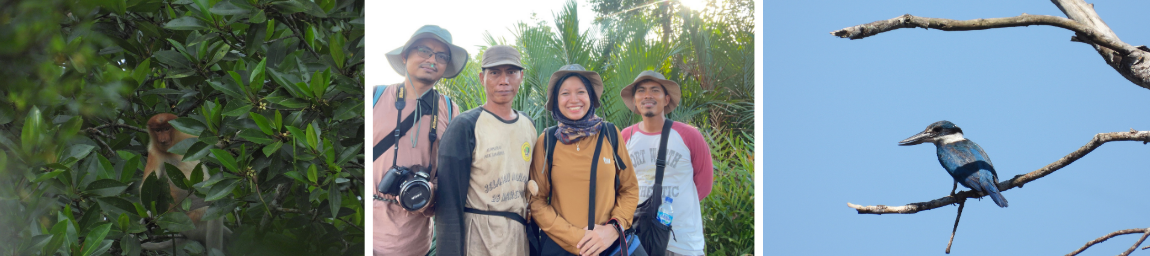
The study combined direct and indirect observation methods: animal sightings, sound monitoring, identification of feeding traces and footprint tracking. It also included the use of bioacoustic equipment to record wildlife sounds, with analysis supported by artificial intelligence and comparison with existing sound references.
In Sebuntal, several groups of proboscis monkeys were observed in mangrove and shrub habitats near the restoration sites. Other species were also recorded, including long-tailed macaques, water birds and signs of estuarine crocodiles. In Salo Palai, the teams identified Javan langurs and long-tailed macaques, while local communities reported occasional sightings of proboscis monkeys.
Mangrove restoration can only be sustainable if it takes into account the economic and social realities of local areas. This is why the MAHAKAM project includes awareness-raising, training and support activities for local communities.
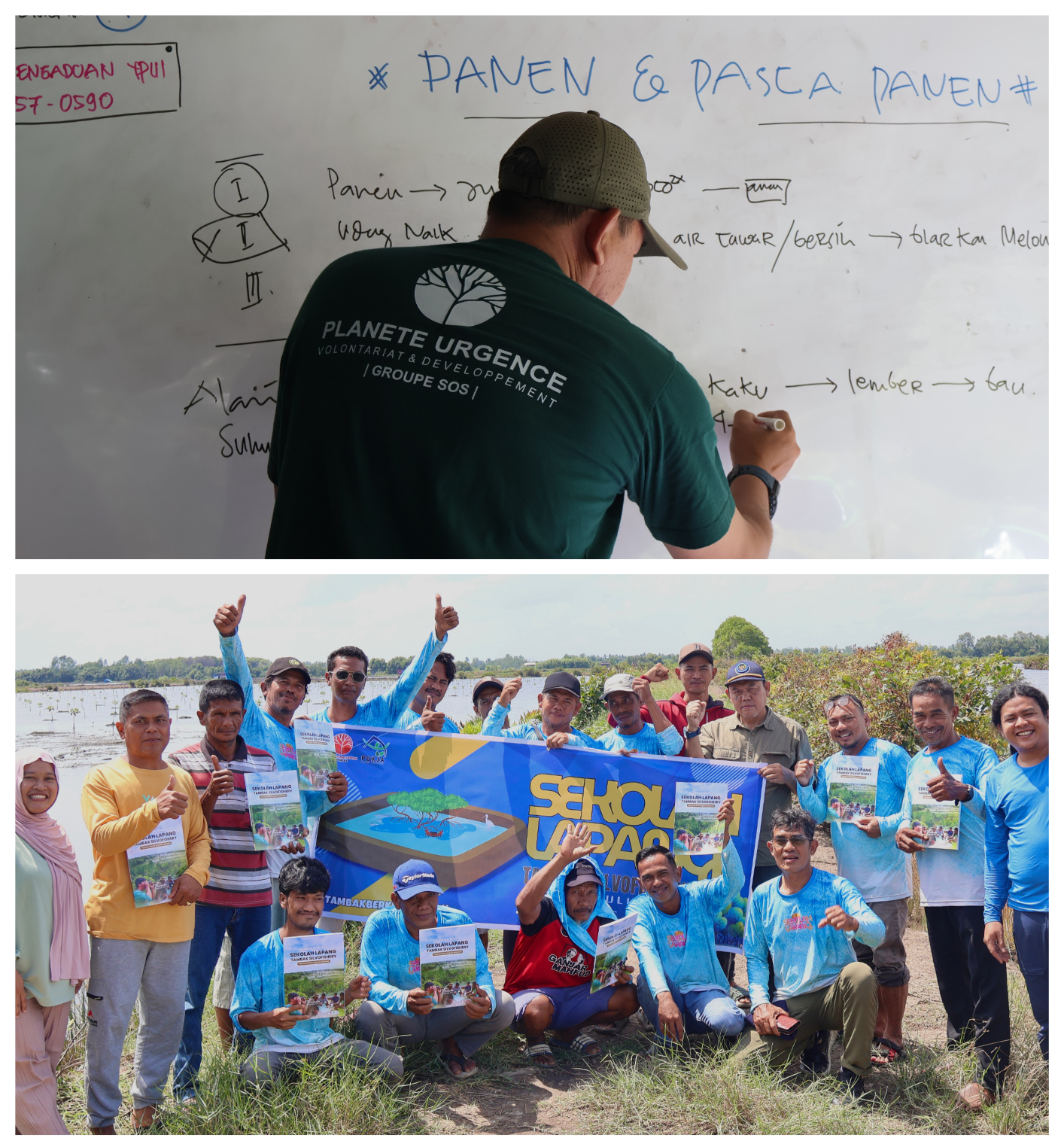
The Field Farmers School (FFS), launched as a pilot initiative under the New Mahakam Program, was implemented from November 2025 to February 2026 in Muara Badak and Babulu Laut. It aims to strengthen farmers’ and aquaculture producers’ knowledge of sustainable aquaculture practices, particularly by integrating mangroves into pond management systems.
A total of 47 participants took part in this field-based and practical learning programme. The sessions covered sustainable pond management, the ecological role of mangroves and approaches that can reconcile environmental restoration with local livelihoods.
The first results are encouraging: participants’ average knowledge level, measured before and after the training, increased from 35.65% to 64.35%. This progress reflects a better understanding of sustainable aquaculture practices. “I feel more motivated because the programme team continues to support us” said Kamran, one of the participants.
Beyond technical knowledge sharing, this initiative encouraged exchanges between community members and strengthened local commitment to more sustainable coastal management.
The MAHAKAM project also works with younger generations, because protecting mangroves also depends on sharing knowledge and helping local communities take ownership of environmental issues.
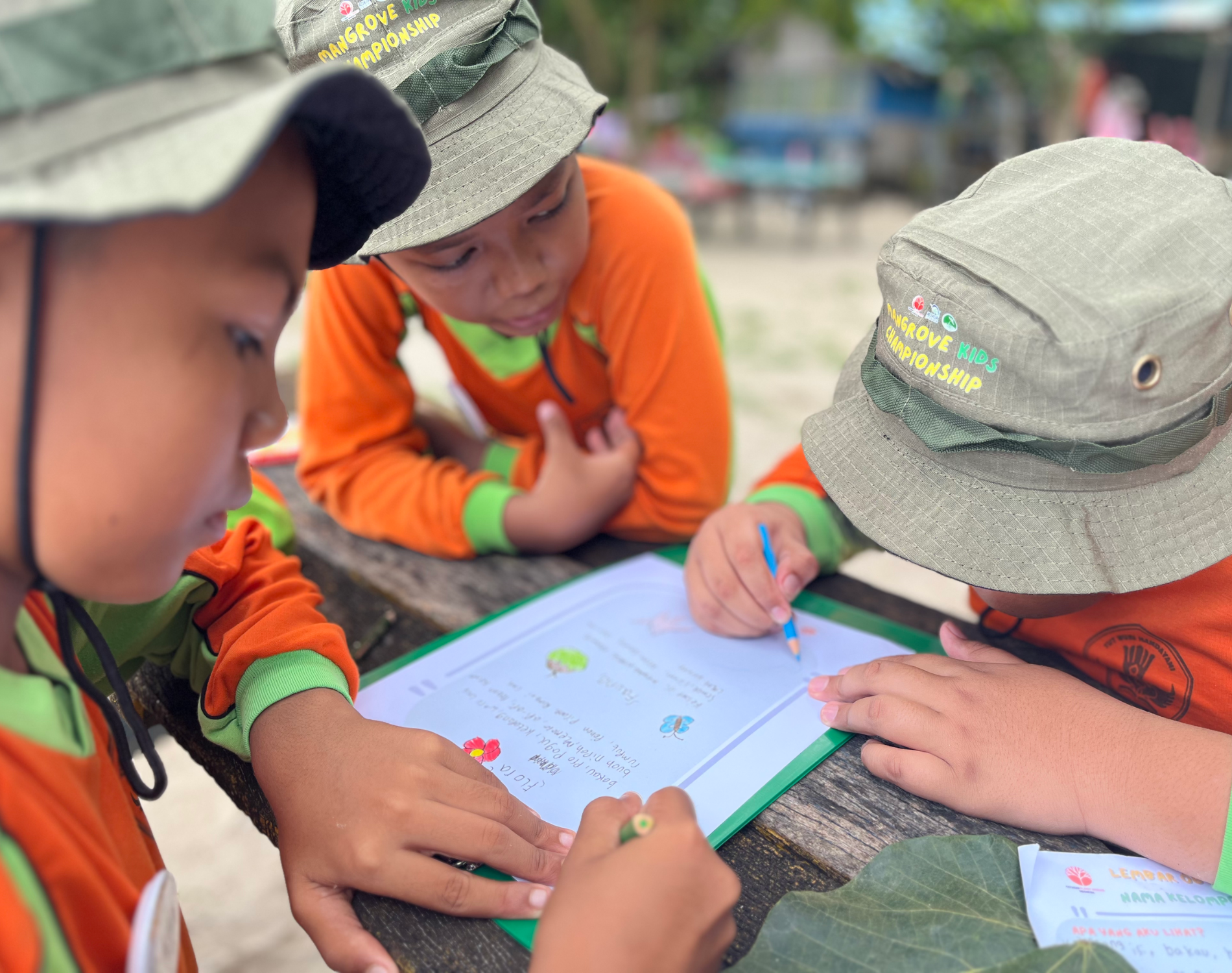
In early January 2026, the Mangrove Kids Championship was organised to introduce children to mangrove ecosystems from an early age. Designed as an outdoor learning experience, the activity combined short field trips along the coast, wildlife and plant observation, and sensory exploration.
Implemented in Muara Badak and Babulu Laut, the activity brought together 39 pupils and 6 teachers. Through an interactive and playful approach, the children were able to discover mangrove areas first-hand and better understand their importance. The initiative also aims to encourage pupils to share what they have learned with their families and communities.
“I really enjoyed it and I hope I can take part again” said Awhan, one of the children who participated in the activity.
After planting, monitoring is an essential step. It makes it possible to assess the condition of the sites, measure the survival rate of young mangroves and identify the factors that may hinder restoration.
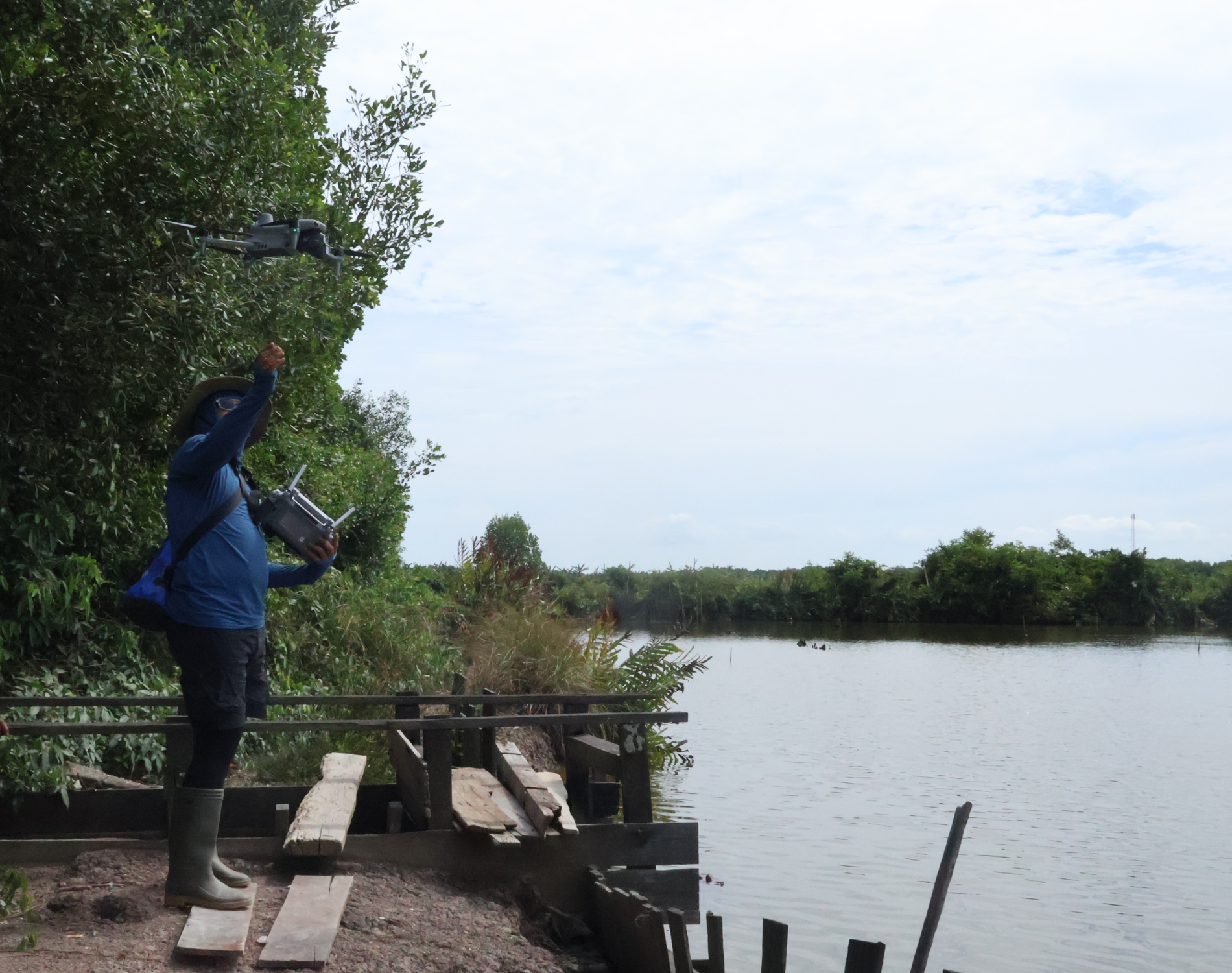
In Babulu Laut, post-planting monitoring activities were carried out from 23 to 26 December 2025. The teams had to adapt their work to tidal conditions, which determine access to the sites and the smooth running of mapping operations. In these coastal areas vulnerable to abrasion, field monitoring is particularly demanding.
Activities often begin before sunrise in order to adapt to the tide schedule. Local boats are used for travel, while plot boundaries are checked using drone imagery, in addition to GPS monitoring.
In total, seven monitoring plots were mapped, with the participation of 11 people, including project team members, partner organisations and interns. Beyond data collection, this phase also helped strengthen collaboration between the teams involved in the programme.
The results observed across the different sites show that mangrove restoration is a complex process that depends heavily on local conditions. Between 2022 and 2025, the plantations monitored as part of the MAHAKAM project produced varied results. Some areas showed good growth, while others experienced higher mortality among young plants.
These challenges may be linked to erosion, tidal submersion, the presence of marine organisms such as crabs and barnacles, or other environmental factors that are harder to identify. In some cases, even replanting efforts resulted in very low survival rates.
To better understand these results, Yayasan Planet Urgensi Indonesia (YPUI) worked with Mangrove Action Project (MAP), an internationally recognised organisation for its expertise in ecological mangrove restoration. The assessment covered 25 sites across seven villages in the districts of Kutai Kartanegara, Penajam Paser Utara and Paser, including coastal areas, former aquaculture ponds and riverbanks.
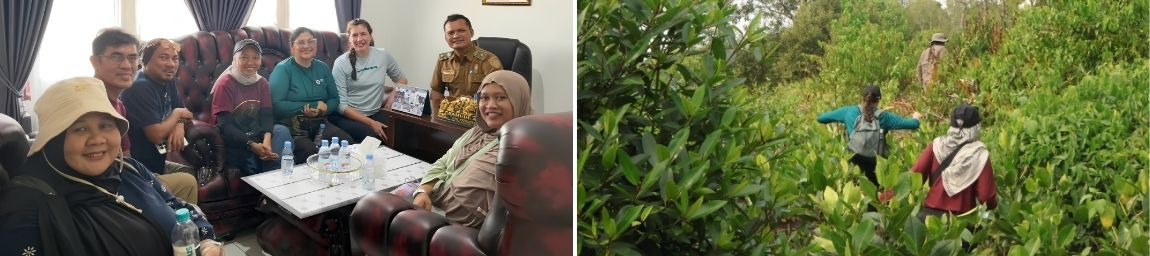
The analysis showed that some sites were developing properly without requiring major intervention. Others still needed improvements, particularly in terms of hydrology, species selection, planting techniques and monitoring methods. The recommendations included increasing species diversity, avoiding planting areas located at too low an elevation, reducing the use of polybags, improving pest management and strengthening ecological assessments before any new planting takes place.
MAP also recommended consolidating monitoring protocols through regular survival rate assessments, the addition of sampling plots, biophysical measurements such as salinity and pH, and time-lapse documentation using ground and aerial images.
Through the MAHAKAM project, mangrove restoration is part of a broader approach: improving knowledge of ecosystems, supporting communities, raising awareness among younger generations and improving field monitoring methods.
This gradual approach makes it possible to learn from actions already carried out and to strengthen future restoration strategies. In an area where mangroves play an essential role for the climate, biodiversity and livelihoods, the challenge is to build sustainable coastal management with the people who live there every day.