A PhD in human geography serving mangrove restoration

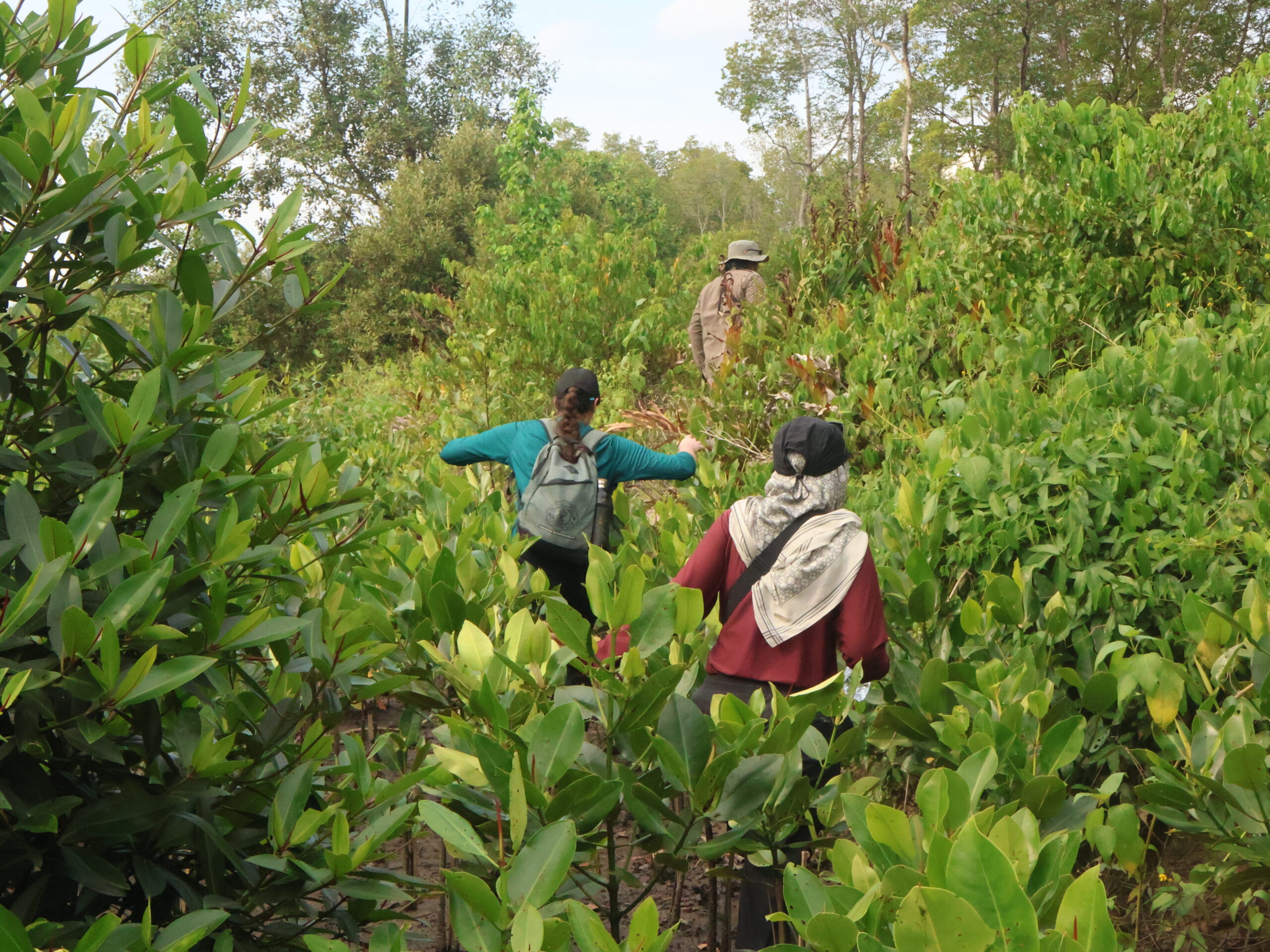
Juliette Bidon Rollet is conducting a three-year PhD in human geography, a discipline that analyses the relationships between societies, their environment, and their territories. Her work focuses on the CAMERR mangrove restoration project, developed in the Wouri estuary in Cameroon.
This research involves long-term immersion and several field missions to observe local dynamics around mangroves. The aim is to identify how stakeholders involved in biodiversity conservation relate to nature, with a specific focus on the role of social representations of mangroves in the implementation of a restoration project in the Wouri estuary.
Better understand the relationship between local communities and mangroves
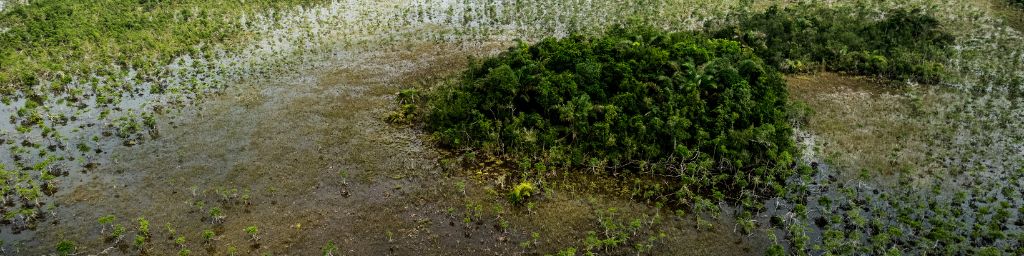
This PhD therefore aims to use the framework of social representations to analyse the relationship between communities and mangroves, and to study their uses, practices, and the cultural meanings associated with this environment.
A fragile ecosystem facing growing threats worldwide, including in Cameroon
Mangroves are now a major issue for biodiversity conservation. Between 1990 and 2020, global mangrove cover decreased by 8,600 km² due to both human and natural factors.
For several decades, mangroves have been the focus of conservation and restoration initiatives at the international level. Mangrove restoration has developed significantly since the 1970s, driven by recognition of their role in biodiversity protection.
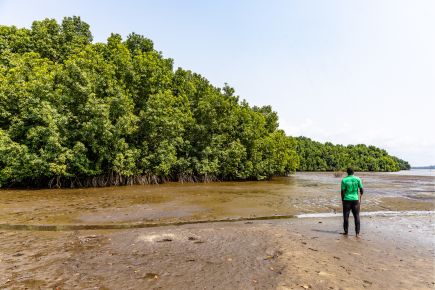
In Cameroon, around 66% of mangroves are now degraded. In the estuary around Douala, coastal areas cover approximately 203,600 hectares, including 93,550 hectares of mangroves.
This degradation is mainly the result of demographic pressure and urbanization, artisanal fish processing, sand extraction, the development of agro-industries, and industrial pollution.
The CAMERR project in the Wouri estuary
In this context, the CAMERR project aims to restore and protect 1,000 hectares of mangroves in the Wouri estuary by 2061.
The project includes planting in degraded areas as well as the creation of community forests to ensure the long-term protection of restored sites. It also combines stakeholder awareness-raising and efforts to reduce pressure on ecosystems, through the construction of improved smoking ovens and support for communities in adopting agroecological practices.
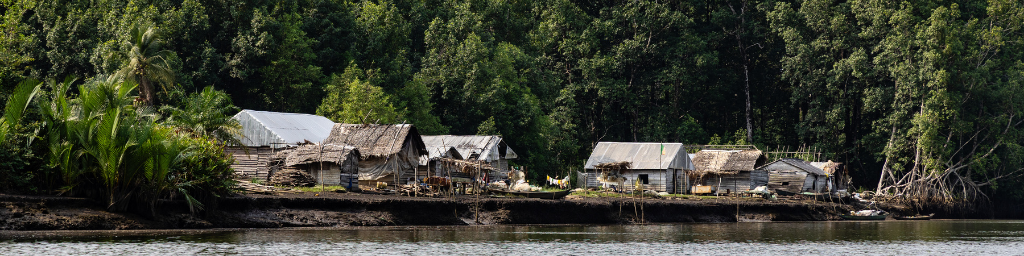
Mangroves play a vital role in this region: they support the livelihoods of nearly 30% of coastal populations, provide fishery and forest resources, protect the coastline from erosion, sequester significant amounts of carbon, and host rich biodiversity.
Social impacts that remain insufficiently documented
While the ecological effects of mangrove restoration projects are increasingly well studied, their social and cultural impacts remain poorly assessed.
Restoration approaches are often guided by technical or economic criteria, with sometimes limited involvement of local communities in project governance.
However, several studies show that projects that do not take into account the needs and expectations of local communities are more likely to fail. Issues of local governance and social ownership emerge as key determining factors.
Acceptability and desirability of projects also remain relatively under-studied, despite their central role in the success of restoration efforts.
Concrete outcomes expected to strengthen the project’s impact
Research in support of more sustainable restoration projects
Planète Urgence’s approach is fully aligned with this PhD project: designing forest restoration initiatives that are fairer, more effective, and more sustainably rooted in local territories.
By documenting the social and cultural dimensions of mangrove projects, this research aims to strengthen consultation with local communities and improve field practices over the long term.
Vous aimerez aussi …
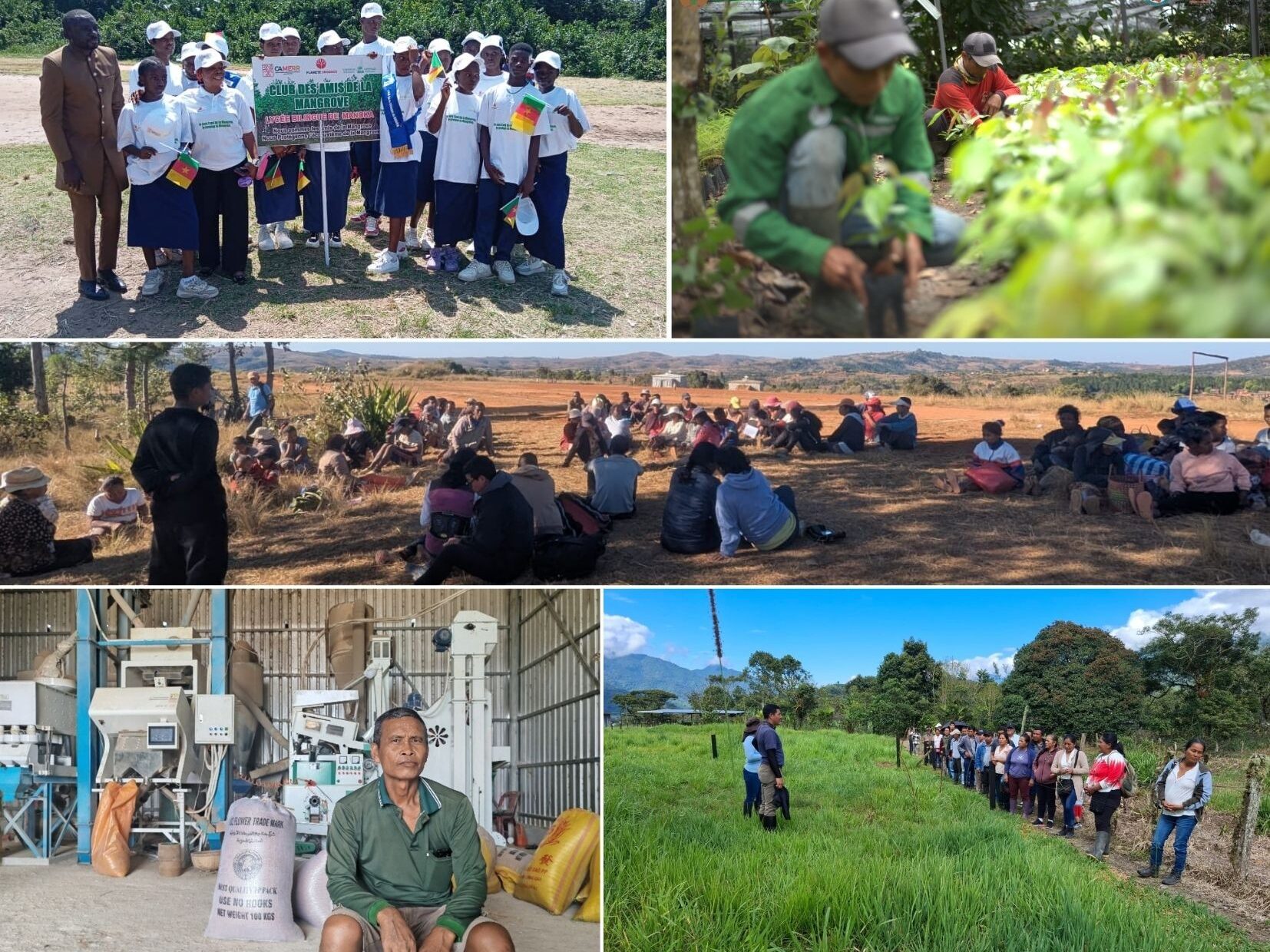
Local solutions on the ground to protect forests and biodiversity
Discover the latest field initiatives aimed at protecting forests, biodiversity and local communities.
2025 activity report: a year of impact for forests and communities
Planète Urgence has published its 2025 activity report, a document that highlights a year of concrete actions in support of…