Our projects
Strengthening the resilience of ecosystems and communities in Way Kambas
WAY KAMBAS Project – Indonesia
Under implementation
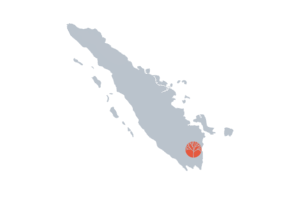
Deployed in and around Way Kambas National Park, in the province of Lampung in Indonesia, the WAY KAMBAS project combines ecosystem restoration and local community resilience building. It thus contributes to preserving one of the most biodiverse areas in Sumatra.
Context
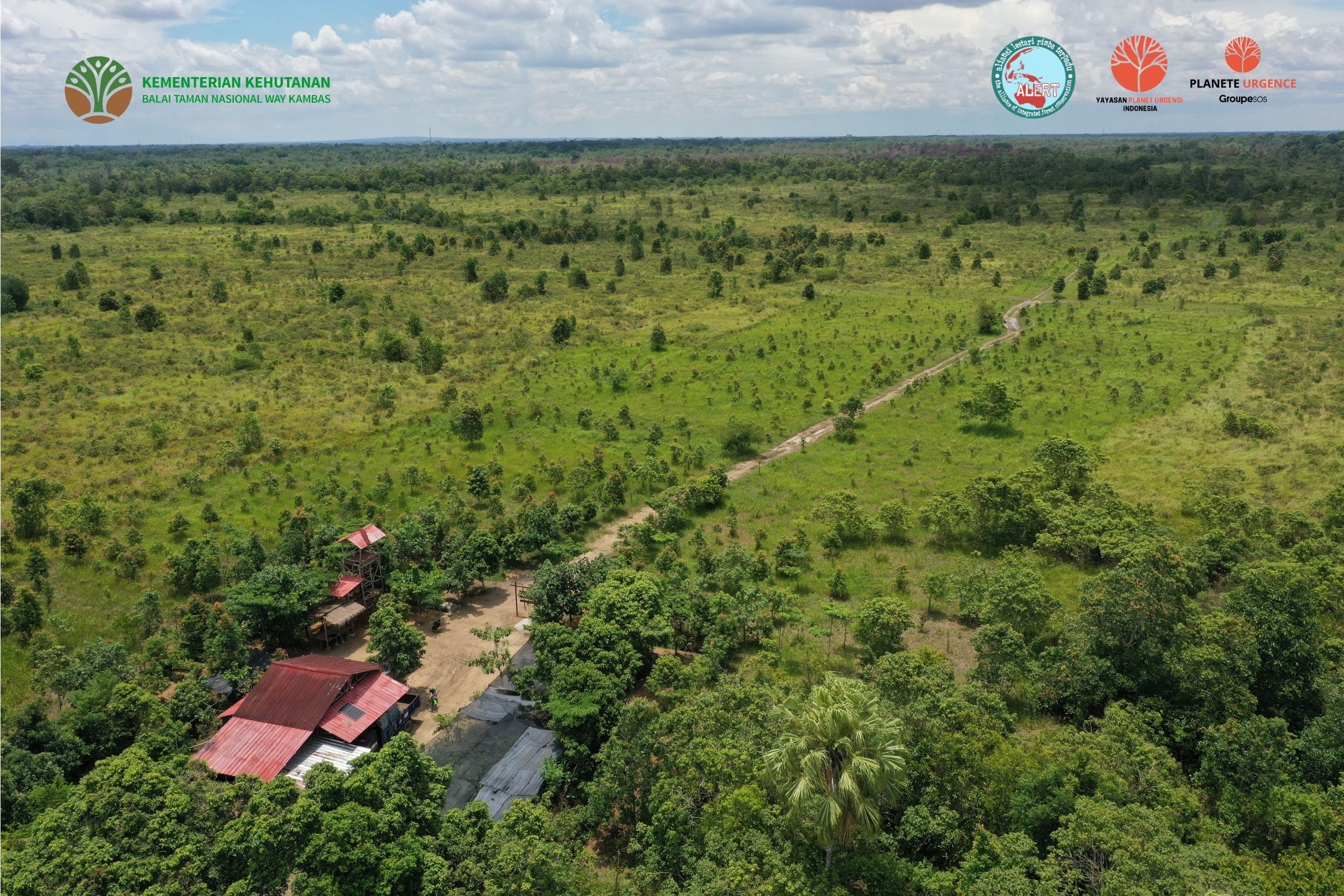
Way Kambas National Park is regularly affected by forest fires. These fires are exacerbated by increasingly unpredictable and prolonged dry seasons, which dry out vegetation and significantly increase the risk of fires starting and spreading. High fire-risk areas overlap with grass- and shrub-dominated habitats, particularly in the southern part of the park.
These environmental pressures also affect the 38 villages surrounding the park. Most buffer-zone village communities rely on small-scale agriculture, particularly rice, corn and cassava farming. As their agricultural activities often depend solely on rainfall, farmers are directly affected by water scarcity, declining crop yields, increasing pest infestations and higher production costs. With average monthly incomes falling below the regional minimum wage, these communities have limited resources to adapt their practices to the effects of climate change.
In addition to these challenges, illegal hunting, mainly driven by economic necessity and market demand for deer and muntjac meat, further threatens the park’s exceptional biodiversity.
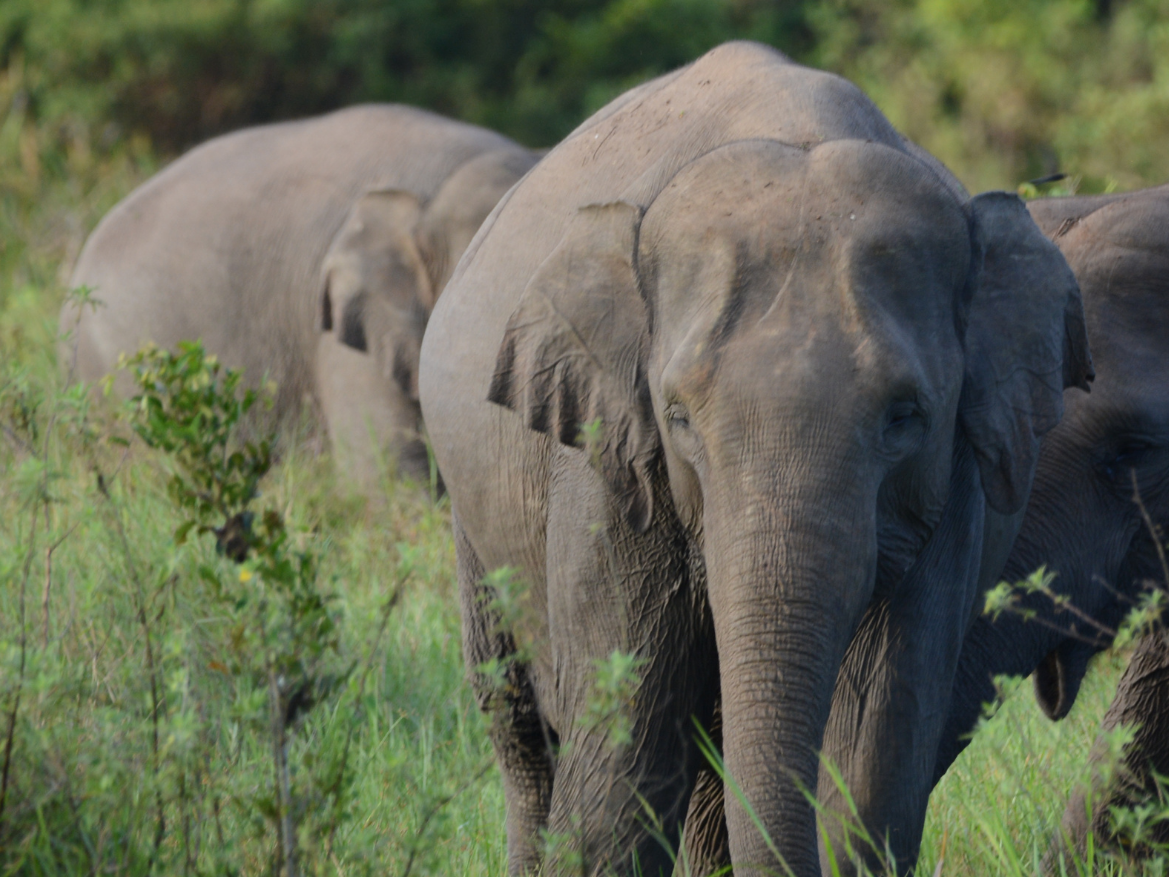
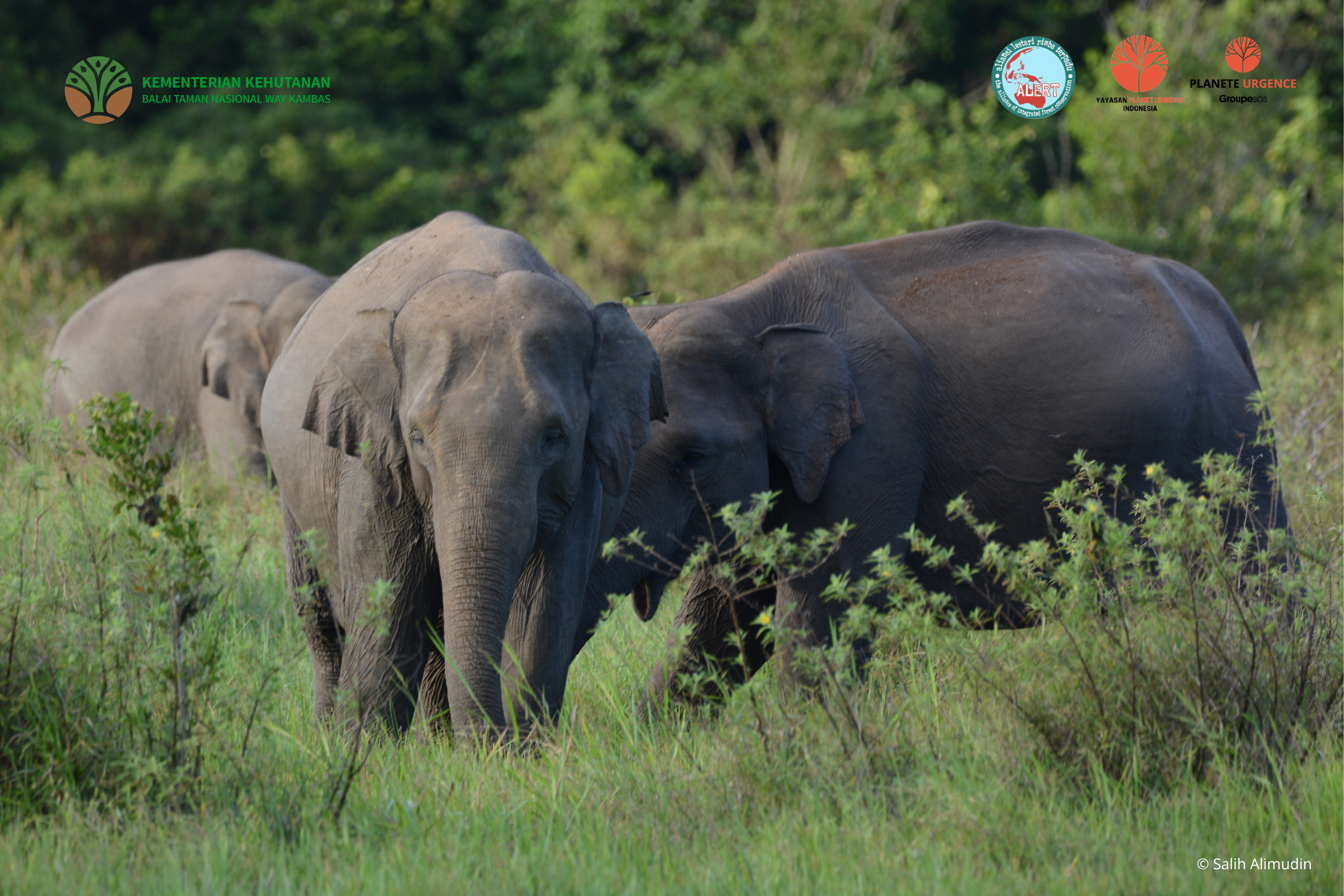
Way Kambas National Park is home to several iconic and endangered species, including Sumatran elephants, Sumatran rhinoceroses and Sumatran tigers, as well as many other vulnerable species.
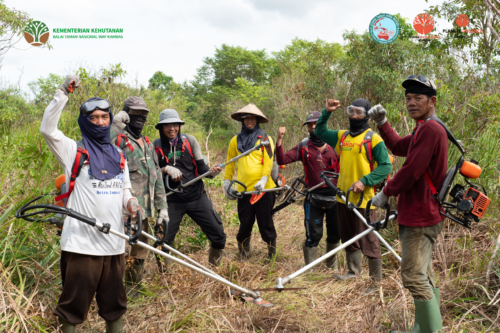
To address these challenges, the project combines several approaches, including the restoration of degraded forests, fire prevention in collaboration with local communities, the development of climate-smart agriculture (CSA), research, and stronger cooperation with local communities and public institutions.
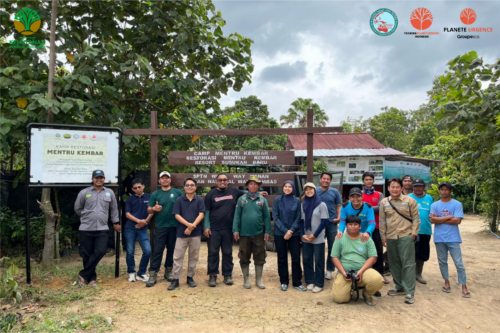
The project also contributes to the implementation of the Park’s Ecosystem Restoration Plan (RPE) for the 2026–2030 period. Restoration activities include rehabilitating approximately 100 hectares of degraded forest by planting native tree species. These activities are supported by a central nursery capable of producing more than 250,000 seedlings. They will help restore essential wildlife habitats, reconnect ecosystems and strengthen the resilience of the area, benefiting both its iconic species and the surrounding communities.
Objectives
The project’s overall objective is to sustainably reduce fire risks and restore degraded ecosystems in Way Kambas National Park, while supporting local communities in developing activities that are more resilient to climate change.
To achieve this, the project has four complementary objectives:
- Restore degraded ecosystems and preserve biodiversity.
- Strengthen community-based fire prevention.
- Develop resilient agriculture and sustainable livelihoods.
- Improve cooperation between communities, local organisations and park authorities.
The project’s SDG

Key figures
During its first phase, the WAY KAMBAS project plans to:

250 000
native trees to be planted
125 621
hectares to be protected
En image
Main partner
Implementation partners

FORET PROGRAM
Project Way Kambas | Strengthening the resilience of ecosystems and communities in Way Kambas